Essential Kitchen Remodeling Permits & Inspections: What Homeowners Need to Know
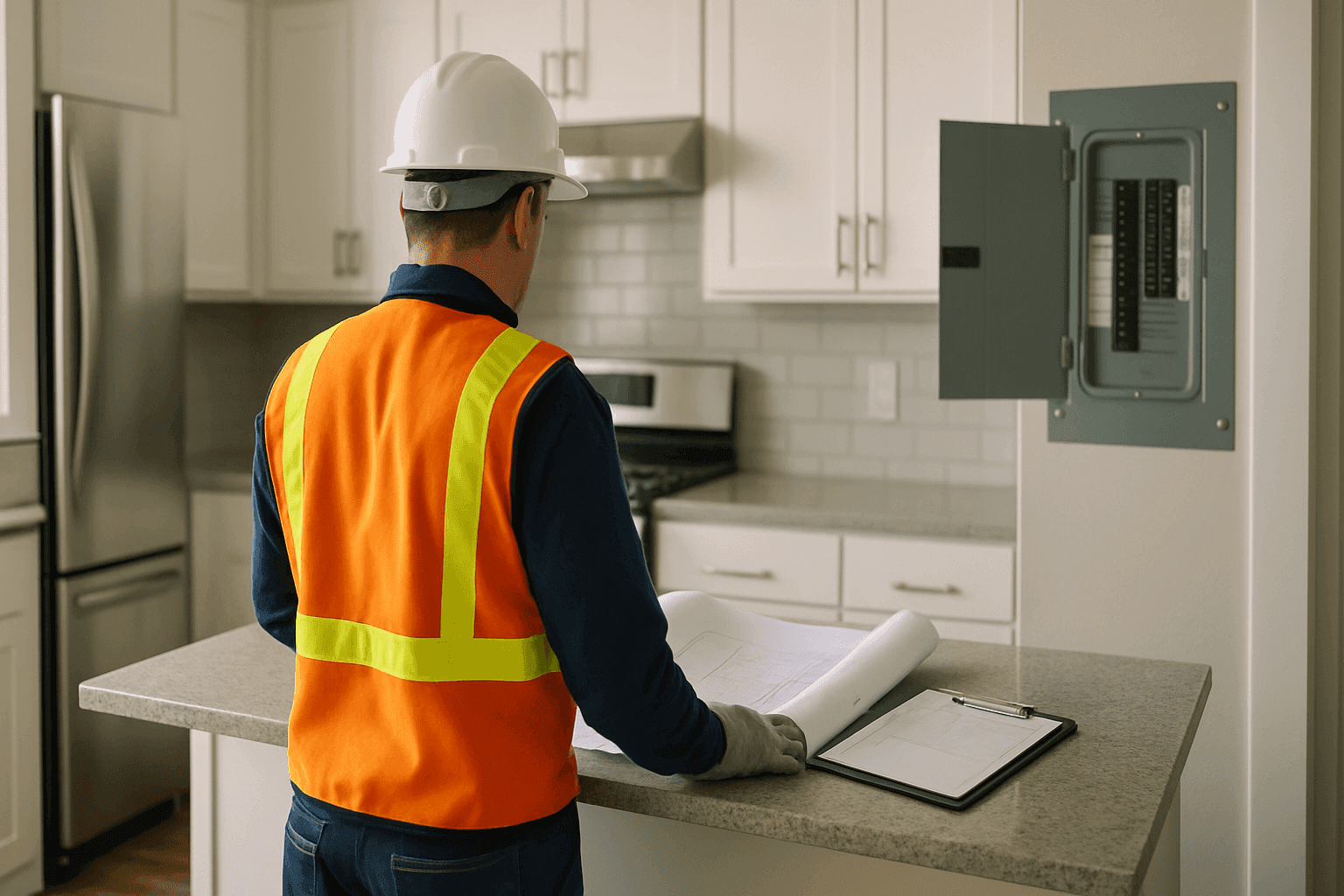
Is your dream kitchen taking shape in your mind? Maybe it’s gleaming Glass Backsplashes near you, custom cabinets, or a bold new island. But before you swing that first hammer, there’s something even more important than style: the permits and inspections that keep your project safe—and legal.
Remodeling your kitchen isn’t just about vision boards and picking tile. It’s about making sure the bones and wires behind the walls meet code and protect your investment. At Kitchen Pickers, we know the ins and outs of kitchen_remodeling compliance and why it matters for every homeowner.
Why Permits & Inspections Matter in Kitchen Remodeling
Let’s face it: permits and inspections can feel like red tape. But they exist for good reason—they’re the safety net that keeps your renovation from turning into a money pit or, worse, a hazard.
Permits help ensure electrical, plumbing, and structural work are up to local code. Inspections catch mistakes before they cost you. Skip them, and you risk fines, failed appraisals, denied insurance claims, and even having to rip out finished work.
Think of permits as the rulebook refs, and inspections as the instant replays. Both keep your kitchen_remodeling project playing fair.
Types of Kitchen Remodeling Permits: What You Need
Not every project needs a permit, but many do. Here’s where homeowners get tripped up:
- Electrical Permits: Needed for new circuits, moving outlets, lighting installation, or anything that touches your panel.
- Plumbing Permits: Required for changing sink locations, rerouting pipes, or new appliance installation with water lines.
- Structural Permits: If you’re moving walls, adding an island that needs support, or opening up for an open concept remodel.
- Mechanical & Ventilation Permits: Needed for new range hoods, vent fans, or any changes to kitchen ventilation systems.
Even something as simple as a new vent hood or a breakfast nook can require approval. Always check with your local building department—requirements vary by city and county.
The Risks of Skipping Permits
Tempted to skip the paperwork? Here’s what’s at stake:
- Fines: Unpermitted work can lead to hefty penalties—sometimes even double permit fees.
- Insurance Issues: Claims may be denied if work wasn’t inspected or permitted.
- Resale Snags: Unpermitted changes can delay or derail home sales.
- Safety Hazards: Hidden electrical or plumbing flaws could put your family at risk.
It’s like driving without a seatbelt. You might get away with it—until you don’t.
Inspection Timelines: When to Expect a Visit 🕒
Inspections aren’t just a final walk-through. Depending on your project, you might see an inspector more than once:
- Rough-In Inspection: After wiring, plumbing, or framing is in but before walls are closed.
- Final Inspection: When everything’s done—appliances in, backsplashes up, paint dry.
Sometimes, there’s a mid-project check, especially for larger remodels with major changes. Expect each phase to require a green light before moving forward. This is your safety checkpoint—don’t skip it.
Typical Code Requirements in Kitchen Remodeling
Codes keep your kitchen safe and functional. These are some of the most common requirements:
- Electrical: GFCI outlets near sinks, proper breaker sizes, and dedicated circuits for appliances (per the National Electrical Code).
- Plumbing: Approved materials, venting, backflow prevention, and correct pipe sizing (see International Residential Code or local amendments).
- Ventilation: Range hoods vented to the outdoors, not just into attics.
- Structural: Sufficient support for islands, open concepts, new beams.
Always ask your contractor if your plans comply with current codes—what passed five years ago might not pass today.
Quick Homeowner Safety & Permit Checklist ✅
Before work starts, walk through this list:
- [ ] Check with your local building department for required permits.
- [ ] Confirm your contractor is licensed and familiar with local codes.
- [ ] Keep all permit documents on hand and visible for inspections.
- [ ] Schedule inspections at required milestones (rough-in, final, etc.).
- [ ] Address inspector notes or corrections before moving forward.
- [ ] Save inspection sign-offs for your records (helpful at resale).
A little prep goes a long way.
DIY vs. Calling a Pro: Where Permits Make the Difference
DIY can be rewarding—but with permits and code compliance, the margin for error shrinks. A minor electrical mistake or missed plumbing vent can cause big headaches.
Consider calling in professionals for:
- Electrical work (panel upgrades, outlet relocation)
- Plumbing moves (new sinks, water lines)
- Structural changes (walls, ceiling supports)
- Major appliance installations (especially gas or vented)
Licensed contractors pull the right permits, schedule inspections, and know how to fix any flagged issues. It’s peace of mind you can’t get from a YouTube tutorial.
What the Pros Do On Arrival
Professional crews don’t just show up with tools. Here’s what Kitchen Pickers brings to your kitchen_remodeling project:
- Site Assessment: Review your plans, check for permit requirements.
- Permit Pulling: File paperwork, pay fees, manage the process.
- Pre-Construction Coordination: Schedule trades and inspections in the right order.
- On-Site Readiness: Ensure work areas are accessible and safe for inspectors.
- Problem-Solving: If an inspector flags something, handle corrections fast.
It’s project management with compliance built in.
Tips for Smooth Permit Approvals & Inspections
Want to avoid delays and headaches? Try these:
- Be Organized: Have plans, permits, and records ready for the inspector.
- Keep It Clean: Make work areas accessible—don’t hide plumbing or wiring.
- Communicate: Let your inspector know if you have questions or need clarification.
- Fix Fast: Address any correction notices right away, then reschedule inspections.
A little cooperation goes a long way with inspectors—they’re there to help you, not slow you down.
Seasonal & Emergency Note: Storms, Freezes, and Permit Triggers 🌧️
Sometimes, nature throws curveballs—floods, freezes, or storms that damage kitchens. Even urgent repairs can require new permits, especially if you’re replacing wiring, plumbing, or drywall.
- Frozen pipes: Repairs may require plumbing permits.
- Flood/water damage: Structural and electrical work often need inspection.
- Storm damage: Ventilation, roofing, or wall repairs could trigger new code requirements.
Always check with your city or county—even emergency fixes have to meet code.
Homeowner Inspection Prep Checklist
Stay one step ahead with this quick guide:
- [ ] All work visible (no covered wires, pipes, or framing).
- [ ] Job site clear of debris for easy inspection access.
- [ ] Permit documents posted where required.
- [ ] Make sure someone is home or provides access for the inspector.
- [ ] Review code requirements in advance (see National Electrical Code, International Residential Code).
The Value of Professional Project Management
Kitchen_remodeling is a puzzle of trades, timelines, and compliance—and permits are the border pieces that keep it all together. Working with a licensed, reputable contractor like Kitchen Pickers ensures everything gets done by the book.
Project managers coordinate trades, handle paperwork, and smooth over any hiccups. It’s not just about passing inspections—it’s about finishing your kitchen right, on time, and with no nasty surprises when you sell or insure your home.
Costs & Time Factors
Permits and inspections might add a little to your project timeline and budget, but they save much more in the long run.
- Permit fees: Range from modest to several hundred dollars, depending on scope.
- Inspection scheduling: Can add days or a week to your timeline.
- Correction work: Delays happen if something needs fixing—another reason to work with experienced pros!
The key? Build these factors into your plan from day one.
When It’s an Emergency
Emergencies don’t wait for paperwork—but permits still matter. If you need to start work immediately for safety, most cities allow “emergency permits” you file right after. Don’t skip the step; follow up as soon as possible.
FAQ: Permits & Inspections in Kitchen Remodeling
Q: Will I need permits for new countertops or backsplashes?
A: Usually not, unless you’re moving outlets, plumbing, or making structural changes.
Q: What happens if I fail an inspection?
A: Inspectors leave a correction notice. Fix the issue, then schedule a re-inspection.
Q: Can I pull my own permits?
A: In many places, homeowners can—if doing their own work. But it’s safer to have your contractor handle it.
Q: How do I find out what permits I need?
A: Start with your local building department or ask your licensed contractor. Requirements change by area.
Local and Seasonal Considerations
Your location affects everything from the strictness of code to how many inspections you need. Some areas require extra permits for venting or seismic bracing; others focus on energy efficiency or flood safety.
Seasonal issues like winter freezes or summer storms can trigger extra inspections or permit needs—especially if repairs affect structural, electrical, or plumbing systems. Always check before you begin, even if it’s just replacing a faucet or adding a pantry.
Permits and inspections aren’t roadblocks—they’re guardrails that keep your kitchen_remodeling safe, valuable, and up to code. For everything from Glass Backsplashes near you to complex open concept remodeling, let Kitchen Pickers help you navigate the process with confidence.
Call Kitchen Pickers now — or reach us anytime at 877-318-7964 .