The Complete Homeowner’s Guide to Kitchen Remodeling Costs
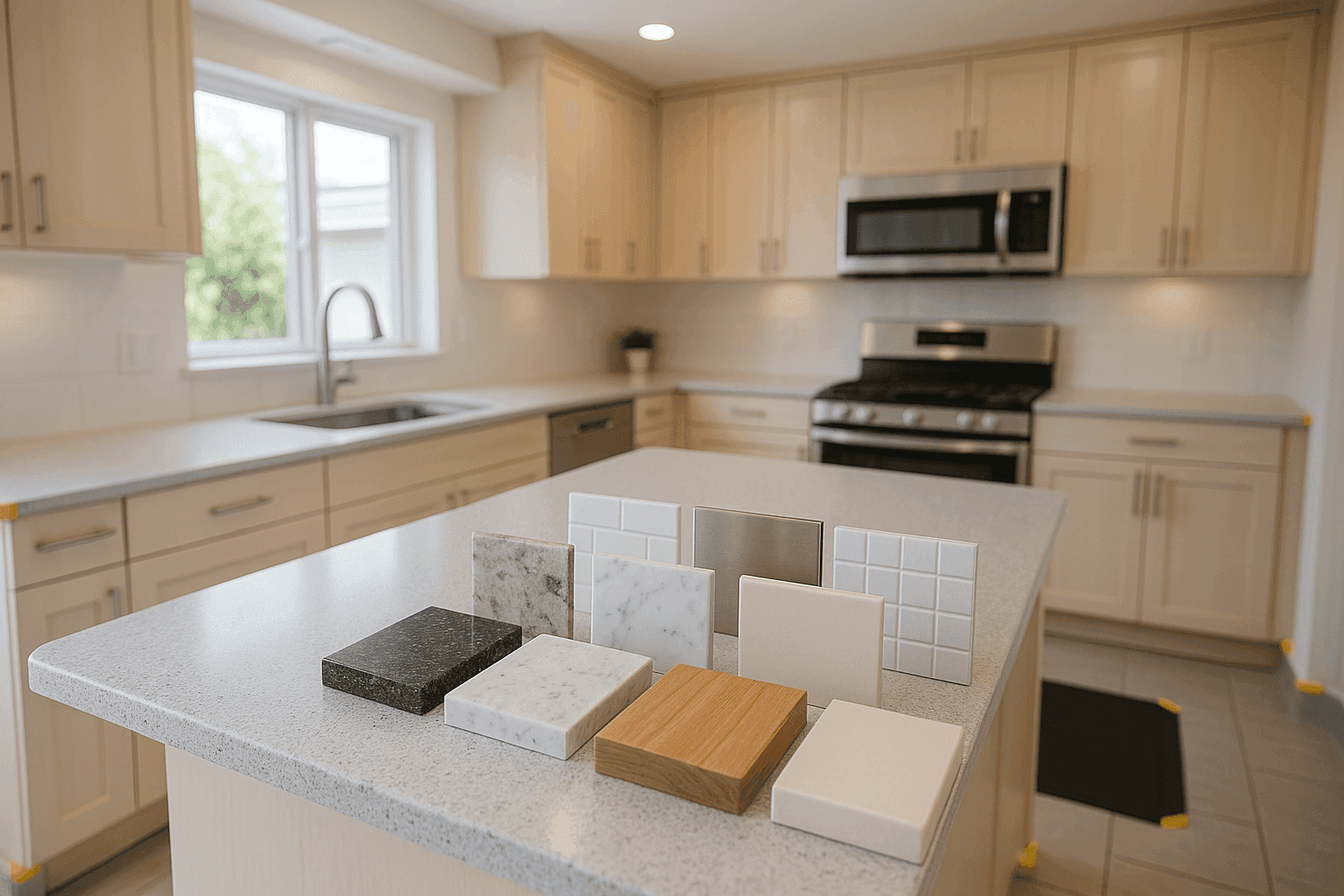
Thinking about remodeling your kitchen? You’re not alone. For many homeowners, the kitchen is the heart of the home—a place where memories simmer alongside dinner. But facing the costs can feel like opening a mystery box. What’s inside? How do you budget for it all? And where should you invest for the most impact?
At Kitchen Pickers, we guide families through these decisions every day. This guide breaks down every major cost, from granite countertops to lighting, so you can plan with confidence and avoid costly surprises.
What Drives Kitchen Remodeling Costs?
Remodeling a kitchen is like assembling a puzzle—the final price depends on how many pieces you pick, their quality, and how they fit together. Here’s what shapes the total:
- Kitchen Size: Bigger kitchens = more materials and labor.
- Material Choices: Granite, quartz, marble, and butcher block all have different price tags.
- Scope of Work: Are you moving walls, adding an island, or just swapping cabinets?
- Labor Costs: Skilled trades—electricians, plumbers, tilers—are essential and licensed pros are worth the investment.
- Permitting & Regulations: Local building codes matter. Permits and inspections protect your investment.
Let’s break down each component to see where your budget goes.
Countertop Costs: Granite, Quartz, Marble & More 🪨
Countertops are more than just workspaces—they set the tone for your entire kitchen. Here’s how the main options compare:
Granite Countertops
- Price Range: Mid to high
- Pros: Durable, heat-resistant, unique patterns
- Considerations: Sealing required, natural stone can have flaws
Quartz Countertops
- Price Range: Mid to high
- Pros: Low-maintenance, non-porous, wide color options
- Considerations: Can discolor with sun exposure
Marble Countertops
- Price Range: High
- Pros: Luxurious, classic beauty
- Considerations: Stains easily, needs regular care
Butcher Block Countertops
- Price Range: Low to mid
- Pros: Warm, inviting look, great for meal prep
- Considerations: Needs oiling, can scratch and dent
Solid Surface Countertops
- Price Range: Mid
- Pros: Seamless appearance, repairable
- Considerations: Less heat-resistant than stone
Comparison Chart: Imagine a side-by-side cost and maintenance chart, showing the durability, price, and care needs for each material.
Cabinetry: Storage & Style
Cabinets eat up a big slice of your kitchen_remodeling budget. You’ll choose between:
- Custom Cabinetry: Tailored fit, unlimited designs—highest cost.
- Semi-Custom: Some flexibility, mid-range price.
- Stock Cabinets: Standard sizes, most affordable.
Tip: Soft-close hinges and drawer organizers are small upgrades that make a big difference over time.
Backsplashes: Glass, Stainless, and Tile 🚿
Backsplashes protect your walls—and add serious style. Here’s a rundown:
Glass Backsplashes
- Price Range: Mid to high
- Features: Sleek, easy to clean, reflects light
- Search Example: “Glass Backsplashes near you”
Stainless Steel Backsplashes
- Price Range: Mid
- Features: Industrial look, very durable, easy maintenance
Tile Backsplashes
- Price Range: Low to high (depends on tile type)
- Features: Endless patterns, colors, and shapes
Comparison Chart: Imagine a visual showing the cost, durability, and aesthetic impact of each backsplash type.
Appliances, Lighting, and Ventilation
Appliance Installation
- Cost Factors: Number of appliances, complexity (built-in ovens vs. slide-in ranges)
- Hidden Costs: Electrical upgrades, plumbing changes
Lighting Installation
- Options: Recessed, under-cabinet, pendant lights
- Price Impact: Fixtures add up—consider energy-efficient LED options
Ventilation Installation
- Details: Proper venting is crucial for air quality (per National Kitchen & Bath Association guidelines)
- Cost Factors: Ductwork, hood style, and installation complexity
Flooring Installation
Flooring choices—tile, hardwood, vinyl—impact both look and budget.
- Tile: Durable, water-resistant, wide price range
- Hardwood: Warmth and value, but pricier and needs upkeep
- Luxury Vinyl: Affordable, easy to maintain
Installation costs rise if old floors need to be removed or the subfloor repaired.
Typical Price Ranges & What Affects Them 💸
- Minor Remodels: Cosmetic updates, often $15,000–$30,000
- Mid-Range: New cabinets, counters, appliances—$30,000–$70,000
- High-End: Custom everything, high-end appliances—$70,000+
What Makes the Price Climb?
- Changing the kitchen layout
- Upgrading to premium materials
- Adding or moving plumbing and electrical
- Expanding the kitchen footprint
- Custom features (islands, breakfast nooks, built-ins)
Hidden Kitchen Remodeling Costs
Every remodel has expenses that sneak up on homeowners. Be ready for:
- Permitting Fees: Required in most municipalities (check with your local building department)
- Post-Construction Cleanup: Dust, debris, and leftover materials need professional attention
- Delivery & Disposal: Getting materials in—and old ones out—adds up
- Temporary Kitchen Setup: Eating out or setting up a mini-kitchen while yours is under construction
Budgeting Tips & How to Prevent Surprise Expenses
- Create a Cushion: Set aside 10–20% extra for unexpected costs
- Get Detailed Estimates: Line-item quotes help you compare apples to apples
- Prioritize Your “Must-Haves”: Decide what matters most—splurge there, save elsewhere
- Consult Pros Early: Design consultation can help you avoid costly layout mistakes
Why Professional Design & Licensed Trades Matter
A kitchen is more than cabinets and counters. It’s plumbing, electrical, mechanical, and safety—woven together. Working with licensed professionals keeps your home up to code and protects your investment. Refer to the National Kitchen & Bath Association and local building codes for standards your project should meet.
Practical Safety Checklist Before You Start 🛠️
- Confirm your contractor’s license and insurance
- Review your local permitting requirements
- Ask about lead paint and asbestos testing (especially in older homes)
- Plan for safe appliance hookups and GFCI outlets (per National Electrical Code)
- Schedule post-construction inspection
DIY or Call in the Pros?
Some homeowners love a challenge. Painting or simple backsplash tiling can be DIY-friendly. But tasks like plumbing, electrical, or custom cabinetry? These are best left to certified professionals for safety—and savings in the long run.
What Happens When the Pros Arrive
Expect a thorough walkthrough. The team will:
- Inspect your kitchen for hidden issues (wiring, plumbing, structure)
- Review your plans and clarify project goals
- Outline the timeline and what to expect during each phase
- Set up dust protection and safety barriers
Prioritizing Upgrades for Your Kitchen Goals
Think about your lifestyle. Love entertaining? Invest in an island and bar area. Need more storage? Opt for custom pantry solutions or clever cabinet organizers. Everyday cooks may get the most value from premium countertops and quality appliances.
Frequently Asked Questions
How long does a kitchen remodel typically take?
Most projects last 4–12 weeks, depending on size and complexity.
Do I need permits for my kitchen remodel?
Yes, most projects require permits—especially for electrical, plumbing, and structural changes.
What’s the best way to keep costs down?
Reuse what you can (appliances, cabinets), choose mid-range materials, and avoid changing your layout if possible.
Local & Seasonal Considerations 🌦️
- Weather: Renovations often move faster in milder seasons due to fewer weather-related delays.
- Material Availability: Supply chain issues can impact lead times—order ahead when possible.
- Local Codes: Always check your city or county requirements for kitchen_remodeling, especially for permitting and inspections.
Final Thoughts: Plan Smart, Spend Wisely
The kitchen you dream of is within reach—with smart planning and the right team. At Kitchen Pickers, we’re committed to helping you make choices that fit your vision and your budget. Ready to take the next step?
Call Kitchen Pickers now — or reach us anytime at 877-318-7964 .